Your Guide to AI Explainer Video Creation
Learn how to create a compelling AI explainer video that drives results. This guide covers automated workflows, best practices, and distribution strategies.
FlowShorts Team

So, what exactly is an AI explainer video? Think of it less as a single piece of software and more as an automated video production crew. It takes a simple idea or a block of text and, almost like magic, transforms it into a short, polished video—complete with a script, visuals, and a voiceover.
These are the videos you see all over TikTok, Instagram Reels, and YouTube Shorts, breaking down complex topics in under a minute.
What Is an AI Explainer Video, Really?
Imagine you need to create a video explaining your new app. The old way involved a ton of work: writing a script, finding a voice actor, sourcing b-roll, and then spending days (or weeks) with a video editor piecing it all together.
An AI explainer video turns that entire headache into a simple, hands-off process. You give the AI a topic, and it handles the rest. It's like having a full-scale production team on call 24/7, ready to churn out content. This is especially powerful for creating "faceless" content, where the information itself is the star of the show, not a person on camera.
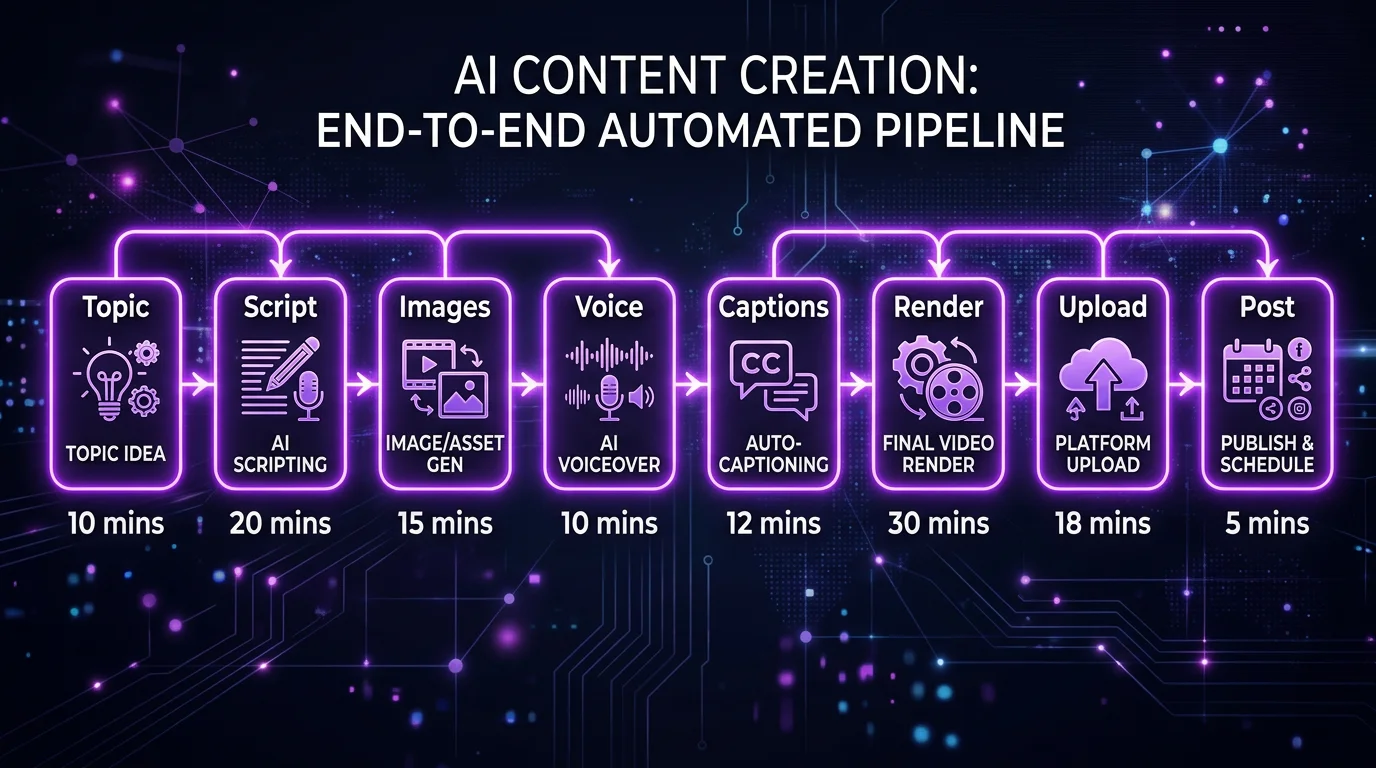
At its heart, this technology isn't just one giant AI. It's a series of specialized AIs working together in a seamless pipeline.
The AI Production Line: How It Works
The real genius is in how these different AI models hand off tasks to one another, just like a real production team would. It generally unfolds in four key steps:
- AI Scriptwriting: It all starts with the script. You feed it a prompt, and a large language model (LLM) crafts a short, snappy narrative that’s optimized for grabbing attention on social media.
- Intelligent Visual Sourcing: The AI then reads the script, identifies the core concepts, and dives into huge libraries of stock footage and images. It pulls clips that perfectly match the story being told.
- AI Voice Generation: Next, a text-to-speech (TTS) system turns that script into a surprisingly human-sounding voiceover. The quality of AI voices in 2026 is phenomenal, offering a huge range of styles and accents.
- Automated Assembly & Editing: The final AI acts as the editor. It syncs the visuals to the voiceover, adds dynamic captions (a must for mobile viewing), and puts all the pieces together into a cohesive video.
To give you a clearer picture, here's a quick breakdown of how the AI-powered approach stacks up against traditional methods.
AI Explainer Video At a Glance
| Feature | Traditional Method | AI-Powered Method |
|---|---|---|
| Scripting | Manual writing, requires a copywriter. | Automated generation from a simple text prompt. |
| Visuals | Manual search through stock libraries or custom shoots. | AI-driven search and selection based on script context. |
| Voiceover | Hire and record a professional voice actor. | Instant generation using realistic text-to-speech (TTS). |
| Editing & Assembly | Hours or days of work in complex video editing software. | Automated sequencing, syncing, and captioning in minutes. |
| Turnaround Time | Days or weeks. | Minutes. |
| Cost | High (hundreds to thousands of dollars per video). | Low (often part of a monthly subscription). |
This automated workflow is a huge deal for anyone in marketing or content creation. Explainer videos have always been a powerful tool—landing pages with a video can see conversions jump by as much as 34%. The problem was always the cost and time. Now, AI makes producing these high-impact videos completely scalable.
If you want to get into the technical nitty-gritty of the underlying technology, this guide on what is AI video generation is a great place to start.
The data backs this up, too. Short-form explainers under 60 seconds drive 2.7x more engagement than a static image post, making them absolutely vital for social media success. You can find more insights like this in the latest explainer video statistics from Spiel Creative.
How AI Builds Your Videos From Scratch
Watching an AI create an explainer video can feel like a bit of magic. In reality, it’s a beautifully coordinated, automated workflow. Think of it less like magic and more like an advanced assembly line, where each station is run by a specialized AI, all working in sync to turn your initial idea into a finished video.
To make this tangible, let's walk through the process of creating a 60-second video on "compound interest." You'll see how a simple text prompt gets transformed into a complete, ready-to-publish video. It’s a clear, repeatable system.

This workflow shows the core idea: a text input is fed into an AI engine, which then outputs a complete video. The entire creative pipeline is handled automatically.
Step 1: AI Scriptwriting and Storyboarding
It all starts with your prompt. You might type something simple like, "Explain compound interest in a simple way." Right away, an AI language model springs into action, crafting a tight, engaging script.
The AI knows how to structure a story for modern attention spans. It builds a narrative with a solid hook, a simple explanation, and a memorable takeaway. Instead of just spitting out dry facts, it weaves a story about making your money work for you, which is far more compelling.
Step 2: Automated Visual Sourcing
Once the script is locked in, a different AI takes on the role of visual director. It meticulously analyzes the script, line by line. When it reads phrases like "a small acorn growing into a mighty oak" or "money piling up over time," it gets to work.
The AI then dives into massive libraries of high-quality stock footage to find the perfect clips. This isn't just a simple keyword search. It understands the context and emotion behind the words, selecting visuals that truly align with the narration to build a cohesive and powerful story.
This technology isn't a niche experiment anymore. VC funding for AI video startups soared to $4.7 billion back in 2025, and now, 78% of marketing teams are using AI-generated video in their workflows. Product demos and explainers are by far the most common use, with an incredible 43% being generated entirely from text prompts just like the one we're describing. You can dive deeper into these numbers and discover other surprising AI video statistics on vivideo.ai.
Step 3: AI Voice Generation and Final Assembly
With the visuals and script ready, the next step is the voiceover. A text-to-speech (TTS) AI reads the script and turns it into a surprisingly natural-sounding voice. You get to pick from a library of voices and accents to find the perfect fit for your brand—maybe an authoritative, trustworthy voice for a finance topic or something more energetic for a marketing video.
Finally, an AI editor steps in to put all the pieces together. It syncs the voiceover to the visuals with perfect timing, adds eye-catching animated captions (a must for silent-viewing on mobile), and layers in subtle background music to set the right mood.
This last stage is where all the raw assets become a polished, professional AI explainer video. A process that used to take a team of people days or even weeks is now done in a matter of minutes.
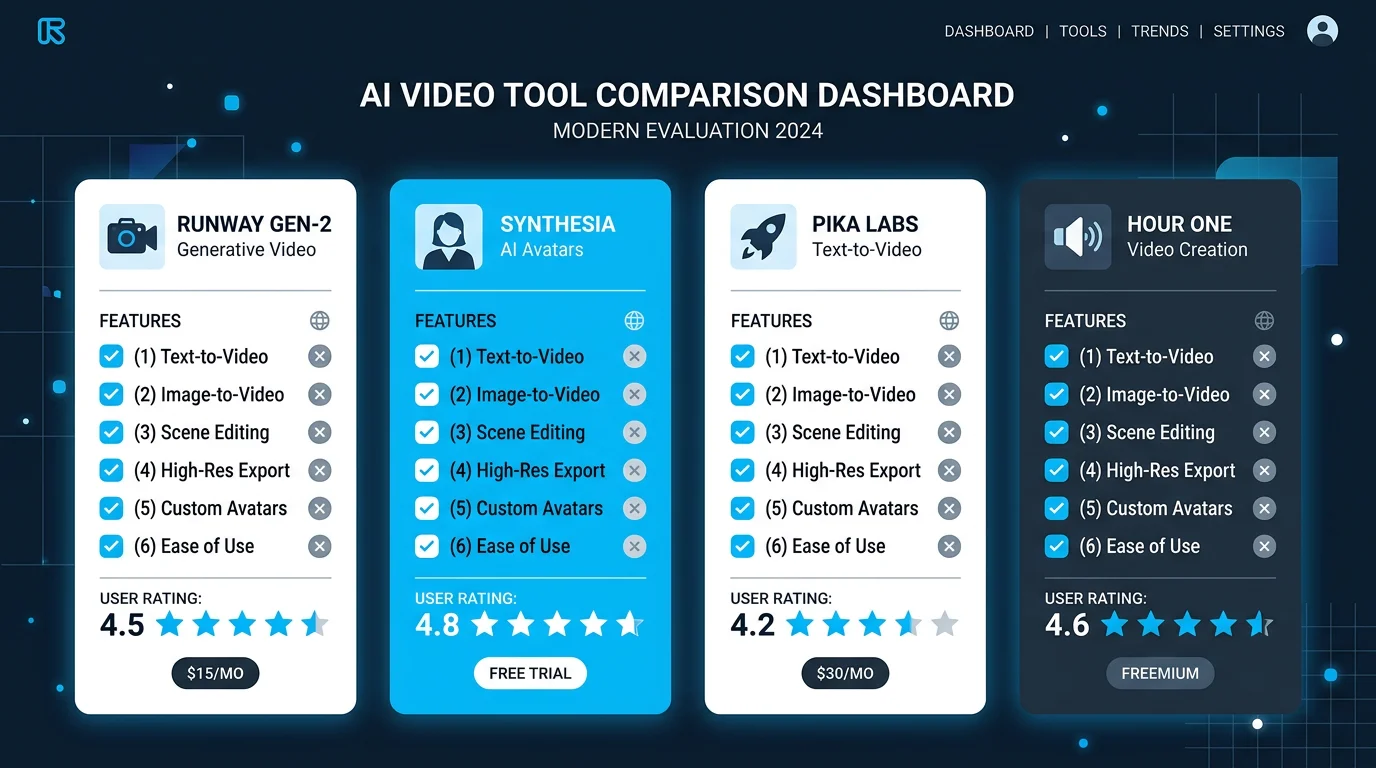
To see which tools are leading the pack, have a look at our guide on the best AI video generators for creators. Platforms like FlowShorts are designed to handle this entire pipeline for you, making video creation a completely hands-off process from start to finish.
Create Faceless Videos on Autopilot
FlowShorts generates and posts AI videos to YouTube, TikTok & Instagram while you sleep.
Try FlowShorts Free →Why Top Creators Are Adopting AI Video
Look at the smartest creators and marketers out there. They aren't just playing around with AI tools for fun anymore; they're making AI a core part of their content strategy. This isn't about chasing the latest shiny object. It's about gaining a serious competitive advantage where speed, cost, and consistency are what separate the winners from the crowd.
The most obvious benefit is the sheer speed of it all. In the not-so-distant past, putting together a single, well-researched explainer video was a multi-day, sometimes multi-week, affair. With an AI-powered workflow, that entire process gets crunched down to minutes. This is how creators jump from a weekly posting schedule to a daily one, which is exactly what the algorithms on YouTube, TikTok, and Instagram love to see.
Drastically Reduced Production Costs
Beyond just being fast, the financial savings are massive. Think about the price tag of a traditionally produced explainer video. You’re paying a scriptwriter, a voice actor, a video editor, and for those pricey stock footage licenses. Those costs add up fast, often hitting hundreds or even thousands of dollars for just a minute of finished video.
AI video generation basically wipes most of those costs off the board.
- No Editing Fees: The AI does the heavy lifting—all the cutting, syncing, and piecing it all together. No need to hire a professional editor.
- No Voiceover Costs: Forget about booking and recording voice actors. Modern AI voices are incredibly realistic and ready in seconds.
- Affordable Visuals: AI platforms tap into huge visual libraries, and access is usually baked right into a simple subscription.
This shift in cost makes creating content frequently a realistic goal for everyone, not just big brands with deep marketing pockets.
For a solo creator or a small business, this is a complete game-changer. It means you can produce an entire month's worth of professional-looking content for less than what you'd typically pay for a single, traditionally made video.
Scalable and Consistent Branding
Keeping your brand's look, feel, and voice consistent across hundreds of videos is a huge headache for any creator. This is an area where AI really shines. Once you set up your brand's rules—the specific voice tone, the visual style, how text appears on screen—the AI applies them perfectly to every single video it makes.
This means that whether someone is watching your first video or your hundredth, they're getting the same consistent brand experience. That consistency is what builds trust and makes your brand memorable over time.
Even better, this scalability makes it incredibly easy to expand. Want to launch a new series or test a new niche? Just feed the AI a new set of topics. You can explore new audiences with almost no risk or effort, something that would have been unthinkable before. You’re no longer limited by burnout or a drop in quality as you grow.
It’s not just about working faster; it's about building a content engine that gets more valuable with every video you publish.
Crafting an AI Video That People Actually Watch
An AI can gather all the ingredients for a video, but it can't cook up a genuine connection with your audience. That part is still on you. Just feeding a prompt into a tool and hitting “generate” is a recipe for a generic, forgettable video that gets scrolled past in a heartbeat. The real magic happens when you, the human, guide the process.
The difference between a video that sinks without a trace and a high-performing AI explainer video comes down to a handful of critical details that you control.

This section is all about a practical checklist—the small but powerful tweaks that turn an automated clip into a compelling asset. By getting the fundamentals of storytelling and visual design right, you can steer the AI to create content that actually lands.
Start With an Unskippable Hook
Let's be real: you have less than three seconds to stop someone from scrolling. That makes the first line of your script the most important piece of real estate in your entire video. Don’t waste it on a bland "hello." You need to open with a jolt—a provocative question, a surprising statistic, or a bold claim that sparks instant curiosity.
"A good hook doesn't just introduce the topic—it introduces a problem or a gap in the viewer's knowledge. Your video's job is to fill that gap."
Figure out the core pain point your video addresses and lead with it. For instance, instead of saying, "Today, we're talking about compound interest," try something like, "What if your money could make money while you sleep?" One is a lecture, the other is an irresistible promise.
Choose an AI Voice That Matches Your Brand
Not all AI voices are created equal, and the default option is rarely the best one. Think of the voiceover as casting an actor for your brand. An upbeat, high-energy voice might be perfect for a video about travel hacks but would feel jarring for a serious financial explainer.
- For Educational Content: A clear, calm, and authoritative voice builds trust and signals expertise.
- For Motivational Topics: Go for a voice with more energy and dynamic inflection to inspire your audience.
- For Storytelling: A natural, conversational tone makes the story feel personal and much more engaging.
Before you commit, listen to several options. Close your eyes and ask yourself, "Does this sound like someone I'd trust with this information?" The right voice makes your message more believable and your brand feel more authentic.
Maintain Visual Cohesion and Quality
While the AI is busy sourcing your clips, you're the creative director. Your main job is to ensure consistency. A video that lurches between dark, cinematic B-roll and bright, corporate stock footage just feels amateurish and confusing.
Decide on your visual style before you start. Are you going for a modern, clean look? Or something more gritty and organic? By defining these visual guardrails, you help the AI make selections that feel like they belong together. And don't forget the details—make sure your on-screen text and captions are crisp, easy to read on a phone, and use your brand's fonts and colors.
Create Faceless Videos on Autopilot
FlowShorts generates and posts AI videos to YouTube, TikTok & Instagram while you sleep.
Try FlowShorts Free →A great video always starts with a solid script. For some ideas on how to structure your story, check out our guide on using an AI video script generator to nail your narrative.
Getting Your Videos Seen on TikTok and YouTube
So you've created a fantastic AI explainer video. The script is tight, the visuals are slick, and the voiceover is perfect. But all that work means nothing if the video just sits there, unseen. The truth is, creation is only part of the job. Getting your video in front of the right eyeballs is where the real work begins.
This means mastering the world of short-form video on platforms like TikTok, YouTube Shorts, and Instagram Reels. Each one is its own little universe with a unique culture, a distinct algorithm, and specific audience expectations. Just dumping the same video file everywhere and hoping for the best is a recipe for disappointment.

Optimizing for Each Platform
To get real traction, you have to play by each platform's rules. What sends a video viral on TikTok might get completely ignored on YouTube Shorts.
Here’s how to tweak your AI explainer for maximum impact on each app:
- For TikTok: Jump on the trends. TikTok's algorithm loves when you use trending sounds and effects. Even if you turn a popular audio track way down, just including it can give your video a noticeable push in the "For You" feed.
- For Instagram Reels: Be the expert. Reels audiences respond incredibly well to high-value, educational content that looks clean and professional. Think quick tutorials, surprising stats, or helpful tips that make users hit the "save" button.
- For YouTube Shorts: Put on your SEO hat. Remember, YouTube is still a search engine at its core. Craft keyword-rich titles and descriptions to help people find your content not just today, but for months and years to come.
The Power of Automated Distribution
If there's one golden rule for social media growth, it's consistency. The algorithms are designed to reward creators who show up and post frequently. But who has time to manually upload videos to three different platforms every single day? It's a huge time-drain. This is where automation stops being a luxury and becomes a core part of your strategy.
Think of it like this: your goal is to build a content machine that keeps your channels buzzing with fresh material, engaging your audience even when you're not actively working. This steady stream of content is what builds momentum and true audience loyalty.
This is exactly what automated posting tools are for. With a platform like FlowShorts, you can set everything up once, and the system will publish your newly created AI videos to all your channels on whatever schedule you choose. If you want to dive deeper, we break down how to build a powerful, hands-off system in our guide to effective content distribution strategies.
Don't just take our word for it—the numbers speak for themselves. By 2025, video is on track to account for 82% of all internet traffic, with short-form videos driving the highest levels of engagement. For brands and creators, this isn't just noise. A staggering 95% of marketers now consider video essential, reporting an 87% increase in brand awareness from their efforts. You can explore more crucial video marketing stats from The Desire Company.
Alright, enough with the theory. Let's get your first AI video out the door. Now that you have a solid grasp of what an AI explainer video is and why it works, the only thing left is to actually make one.
When it comes to production, you really have two main roads you can go down.
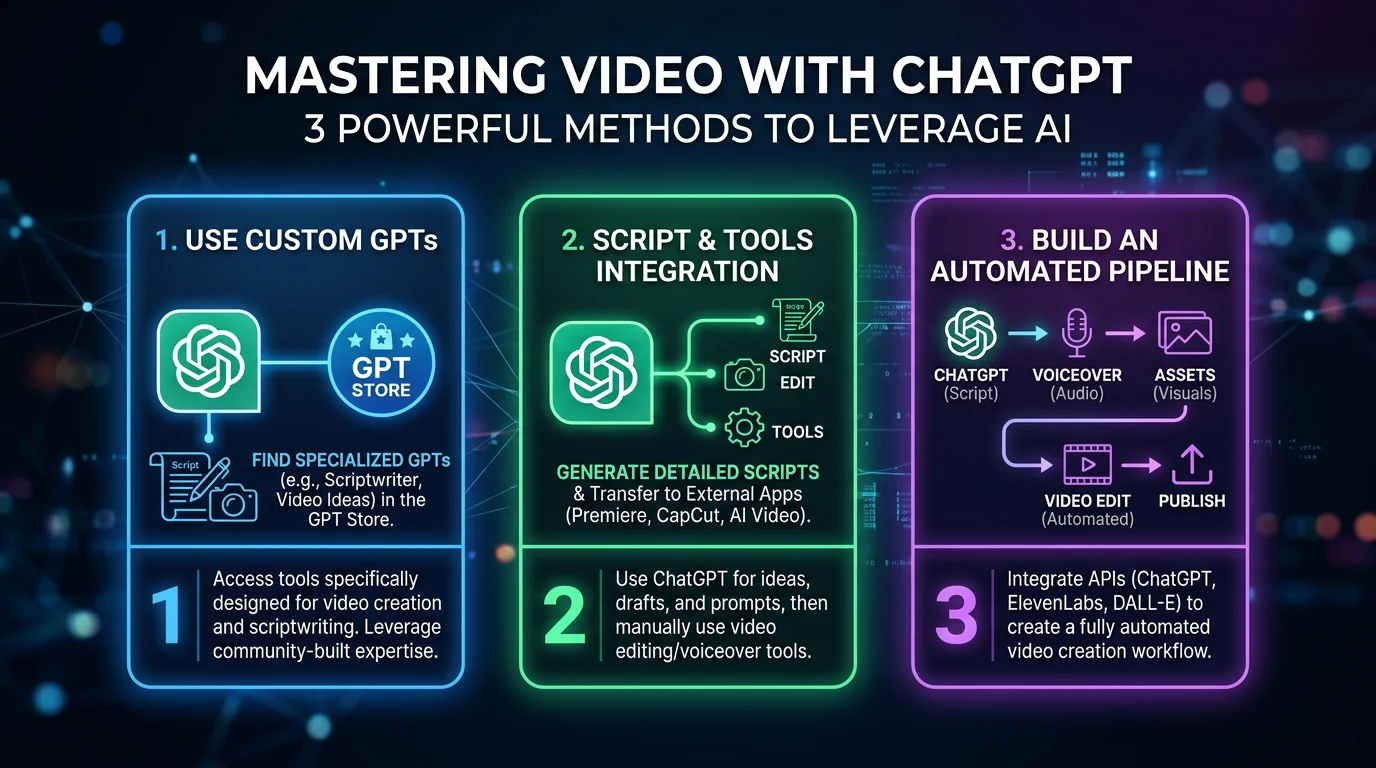
The first is what I call the "patchwork" method. This is the do-it-yourself approach where you piece everything together using separate, specialized AI tools. You’d use one tool for the script, another for the voiceover, a third to find visuals, and probably a fourth to edit it all together and add captions. You get a lot of control this way, but honestly, it can turn into a huge time sink, fast.
The DIY Route vs. The Automated Path
The other option is to use an all-in-one platform built specifically for this. This is where a tool like FlowShorts shines. It takes that entire messy production line—script, voice, visuals, editing, everything—and puts it all under one roof. No more juggling a half-dozen browser tabs and subscriptions.
This is the streamlined path, and it’s built to knock down the biggest hurdles most creators face: not enough time, a tight budget, or a lack of video editing skills. It flips video creation from a complicated, multi-step project into something you can practically set and forget.
An all-in-one platform isn't just a shortcut. It's how you build a real content engine. By automating the grunt work, you free yourself up to think about the bigger picture—your strategy, your brand, and your channel's growth.
For anyone serious about producing content at scale, laying the two options side-by-side makes the decision pretty clear.
- The Patchwork Method: You'll be managing multiple tools and subscriptions, sinking a significant amount of time into every single video, and you'll need to learn the quirks of each individual app.
- The Integrated Platform: Set it up once, and the system handles the entire workflow from idea to final video. Best of all, you don't need any prior video editing experience.
By bringing every step of the process together, platforms like FlowShorts give you the most direct way to get your automated content strategy off the ground. You can start publishing high-quality AI explainer videos right away and begin building that audience you're after from day one.
Common Questions About AI Video Creation
Jumping into the world of AI video, it's totally normal to have a few questions. You see the potential, but a few nagging doubts might be holding you back. Let's clear up some of the biggest ones people have when they're getting started.
Can AI Videos Really Look Professional?
They absolutely can. The old days of glitchy, robotic-looking animations are long gone. Today's AI tools are built differently. They tap into enormous libraries of high-quality, professionally shot stock footage, which means the visuals look crisp, clean, and cinematic right from the start.
And it’s not just the visuals. The AI voices have improved dramatically, too. You can find a voice that sounds genuinely human and matches the exact tone you’re going for, whether it's authoritative, friendly, or energetic. The final video isn't just "good enough"—it's a polished piece of content designed to grab and hold attention on social media.
Do I Need Special Skills to Use These Tools?
Not at all, and that's really the whole point. Platforms like FlowShorts were created specifically for people who aren't video editors. The setup is designed to be a simple, one-time process.
The entire system is built to be intuitive. If you can write a simple prompt and click a few buttons, you have all the skills required to get started. The goal is to automate the technical work so you can focus on your content strategy.
There’s no need to learn complicated software or have a background in video production. The heavy lifting is done for you.
Will My AI Content Be Unique?
This is probably the most common concern we hear. Won't my videos look just like everyone else's? The answer is no, and here's why. Think of it like a master chef with an infinitely stocked pantry.
Modern AI platforms don't just use one template. They combine a massive number of variables—different takes on the script, a gigantic pool of visual clips, a wide selection of voices, and even unique editing styles. By drawing from so many different elements, the AI can produce an incredible amount of variation. Your content feels fresh and made for your specific topic, helping you stand out instead of blending in.
To get a feel for the options out there, it helps to explore a list of the best AI video generators to see which one offers the level of customization that fits your brand.
Ready to stop worrying and start creating? With FlowShorts, you can automate your entire short-form video strategy and watch your channels grow. Get started with FlowShorts today.