How to Monetize YouTube Shorts A Creator's Guide

Learn how to monetize YouTube Shorts and turn views into income. Our guide covers YPP requirements, revenue streams, and tactics to maximize your earnings.

F

FlowShorts Team

21 min read0 views
How to Monetize YouTube Shorts A Creator's Guide

So, you want to make money from your YouTube Shorts? The key is getting into the YouTube Partner Program (YPP). Once you're in, you can earn a cut of the ad revenue that plays between Shorts in the feed. This is a huge shift from the old Shorts Fund and opens up a much more reliable way for creators to earn.

The New Reality of YouTube Shorts Monetization

Man looking at a laptop showing 'Shorts Monetization' with a camera, phone, and plant on a wooden desk.

Moving from a fixed bonus fund to a real ad revenue-sharing model completely changed the game. Before, you were fighting for a limited piece of a set prize pool. Now, your earnings are directly linked to how your videos perform in a massive, ever-expanding ecosystem.

How the "Creator Pool" Works

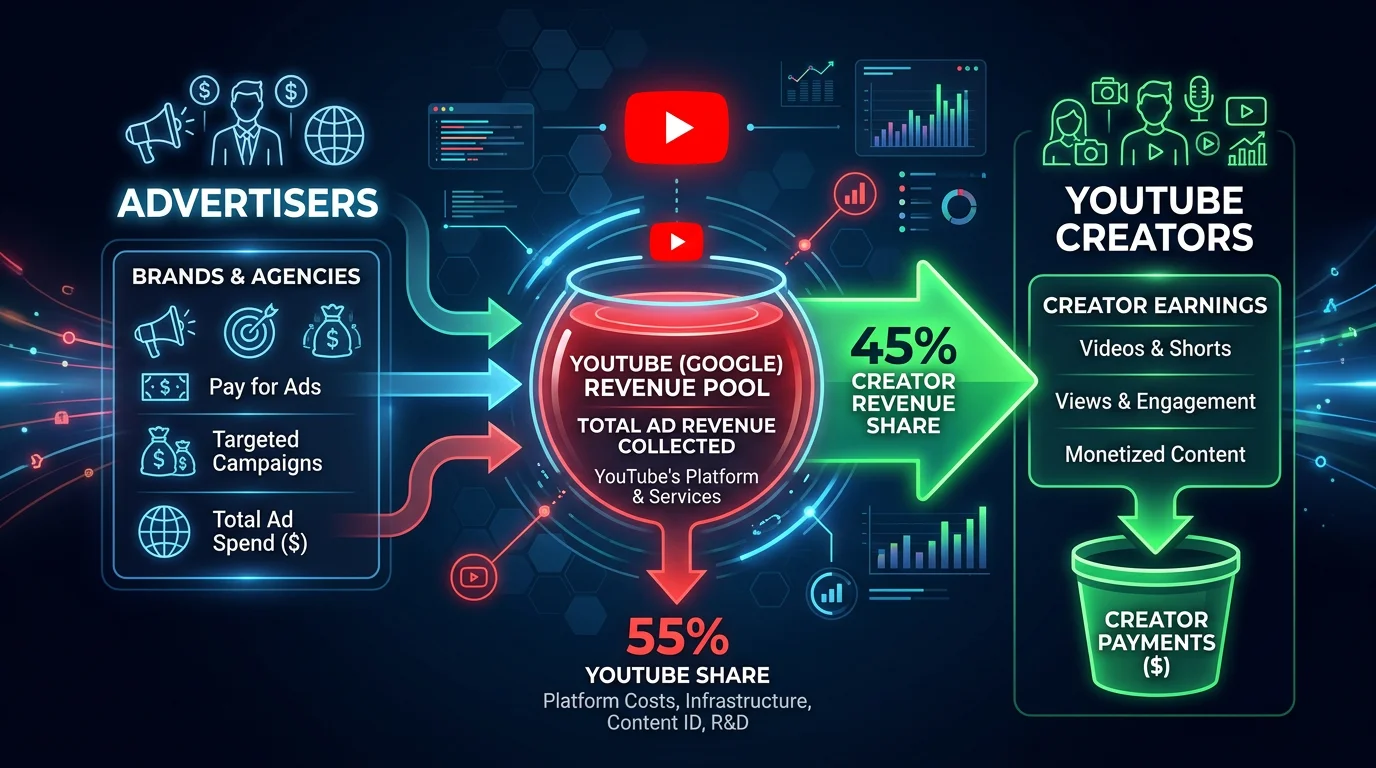
Here’s the breakdown. All the money from ads running in the Shorts feed gets collected into one big pot. First, YouTube pays for music licensing costs right off the top. What's left over is called the Creator Pool, and this is what gets distributed to creators like you.

Your slice of that pool depends on your channel's share of the total monetized Shorts views in your country. For instance, if your Shorts pull in 1% of all eligible views for the month, you're allocated 1% of the Creator Pool. From that allocation, you get to keep 45%.

This is a game-changer. Your earning potential isn't capped by some limited fund anymore. As more advertisers jump on the Shorts bandwagon and viewership climbs, the Creator Pool grows—and so does your opportunity to earn.

To give you a quick overview, here's a summary of the core metrics involved.

YouTube Shorts Monetization at a Glance

Metric Requirement or Average Figure
YPP Subscriber Threshold 1,000 subscribers
YPP Shorts Views Threshold 10 million valid views in the last 90 days
Creator Revenue Share 45% of allocated revenue
Shorts Daily Views 70+ billion

This table highlights the direct relationship between your views and your potential earnings under the current YPP structure for Shorts.

Why Volume and Consistency Are Everything

Under this model, consistency is king. Since your earnings are tied to your share of total views, the more high-quality views you can rack up, the bigger your piece of the revenue pie. A single viral Short is fantastic, but a steady drumbeat of content that reliably gets views is the surest path to real income.

This is exactly where automation tools can make a huge difference. For example, a tool like FlowShorts can handle the daily grind of creating and publishing Shorts. It allows you to maintain the relentless pace needed to grab a meaningful share of the billions of daily views on the platform. Think of it as setting the foundation for the strategies we're about to cover, turning your channel into a well-oiled, revenue-generating machine.

Getting into the YouTube Partner Program with Shorts

Desk flat lay with a notebook titled 'HIT 10M VIEWS', a phone, wireless earbuds, and office supplies.

Before you can earn a single penny from ads on your Shorts, you need to get accepted into the YouTube Partner Program (YPP). Think of the YPP as the exclusive club for monetized creators. Getting in is your first major milestone.

YouTube gives you two ways to unlock the door. The classic route involves racking up 4,000 public watch hours on your long-form videos over the last 12 months. But for Shorts creators, there's a much more direct—and faster—path: hitting 10 million valid public Shorts views in the last 90 days.

For either path, you'll also need to have at least 1,000 subscribers on your channel.

That 10 million view count can feel like a mountain to climb, especially in just 90 days. But it’s less about one-off viral luck and more about building a consistent content machine that grabs attention every single day.

The Two Pillars of YPP Qualification

Let's break down those numbers into what they really mean for your strategy.

  • 1,000 Subscribers: This is your core audience. A subscriber is someone who has actively raised their hand and said, "I want more of this." Shorts are fantastic for growing this number quickly because the algorithm pushes your content to tons of people who haven't heard of you yet.
  • 10 Million Views in 90 Days: This is the big one. It proves to YouTube that your content has broad appeal and can reliably keep people watching, which is exactly what advertisers want. To put it in perspective, this breaks down to about 111,111 views every single day.

This requires a smart, sustainable approach. You need a content strategy that produces engaging Shorts day in and day out, focusing on topics with a built-in audience and a high chance of being shared.

Key Insight: Don't treat views and subscribers as separate goals. They feed each other. A Short that pulls in 500,000 views will naturally bring a wave of new subscribers, creating a powerful loop that fast-tracks your YPP application.

Building a Content Strategy to Hit Your Numbers

So, how do you actually get those views without burning out? It all comes down to a smart content plan you can stick with. The trick is to find a good balance between what's trending and what you can realistically create over and over again.

One of the biggest trends right now is "faceless" content channels. These channels cover topics like history, finance, or motivation using a mix of stock footage, on-screen text, and AI-generated voiceovers. This model is incredibly effective because it removes the pressure of being on camera and lets you produce content at a much faster pace.

Let's say you picked the finance niche. You could create daily Shorts on topics like:

  • "Three budget hacks that actually work."
  • "Compound interest explained in 60 seconds."
  • "Did you know this about the stock market?"

These are evergreen topics that people are always searching for. They offer quick, valuable information that appeals to a massive audience. As you post daily, the algorithm learns who your ideal viewer is, which helps each new Short get traction faster.

The daily grind is where most creators stumble. It's tough. This is exactly the problem that automation tools were built to solve. For example, a platform like FlowShorts can handle the entire creation and posting workflow for you. Once you connect your channel and choose a niche, the AI takes over scripting, visuals, voiceover, and even scheduling.

This shifts the YPP qualification sprint from a demanding daily task into a hands-off, strategic advantage. With Shorts viewership expected to hit a staggering 70–200 billion daily views globally by 2026, the opportunity is massive. You can discover more insights about the rising Shorts economy on Shopify. Automation is how you can passively build the momentum needed to hit 1,000 subscribers and 10 million views, turning a daunting challenge into an achievable goal.

Flipping the Switch: Activating Monetization in YouTube Studio

So, you did it. You hit the subscriber and watch-hour milestones, and your channel is officially eligible for the YouTube Partner Program (YPP). That's a huge deal—seriously, take a moment to celebrate. Now comes the fun part: actually turning on the money-making features.

The whole process is handled right inside your YouTube Studio, and thankfully, it's pretty straightforward. Once you're eligible, you can't miss it. A big "Apply now" button will likely greet you on your dashboard, kicking off the formal review. After YouTube's team gives your channel the thumbs-up, you'll get access to the monetization tools.

Finding the Earn Tab and Accepting the Terms

Your new home base for all things revenue is the Earn tab, located in the left-hand menu of your YouTube Studio. This is where you'll manage how your channel makes money.

Before anything else, you have to review and accept the YPP terms. YouTube breaks these down into different "modules," which are basically individual contracts for specific revenue streams. For us, the most important one is the Shorts Monetization Module.

This is the dashboard where you'll find the different modules. You absolutely must accept the Shorts-specific one to get a piece of the ad revenue generated in the Shorts feed.

Just agreeing to the main YPP terms won't cut it. You have to explicitly opt into Shorts revenue sharing. This step is there to make sure you understand the unique way Shorts ad revenue is calculated and paid out, which is different from long-form videos.

A One-Time Setup for All Your Shorts

Here's a question I get all the time: "Do I have to monetize every single Short I upload?" The answer is a resounding no, which is a massive relief for busy creators.

Unlike long-form videos where you can turn monetization on or off for individual uploads, Shorts monetization is an all-or-nothing, channel-wide setting. Once you accept the Shorts Monetization Module, every single eligible Short—past, present, and future—is automatically set to earn.

This "set it and forget it" design is perfect for the fast-paced world of Shorts. It lets you stay focused on creating great content instead of getting lost in the weeds of administrative settings for every 15-second clip. This is especially useful if you're scaling up with an automation tool like FlowShorts, since you won't have to worry about manually enabling monetization on every video it helps you create.

Finalizing Your Monetization Setup

With the terms accepted, the last piece of the puzzle is linking a Google AdSense account so you can actually get paid. If you already have one, you just need to connect it. If not, YouTube will walk you through the setup.

This part of the process involves a few key steps:

  • Providing personal info to confirm you are who you say you are.
  • Adding your payment details, like your bank account information.
  • Verifying your mailing address. Google will physically mail you a letter with a PIN to complete this.

Once your AdSense account is linked and verified, you're all set. Revenue from Shorts ads will start to accumulate. You can keep an eye on your earnings in the YouTube Analytics section, which will show you exactly how you're doing and which Shorts are your top performers.

Remember, understanding how to monetize YouTube shorts isn't just about flipping a switch. It’s about consistently creating content that grabs a slice of the billions of daily views on the platform.

How Your Shorts Ad Revenue Is Calculated

Figuring out how you get paid for Shorts can feel a bit abstract at first. Unlike long-form videos where ads are placed directly before or during your content, Shorts revenue works differently. It all comes from a shared pool of money. This smart system ensures every creator in the YouTube Partner Program gets a cut, even if an ad doesn't pop up right after one of their specific Shorts.

It’s a four-step journey from ad view to your bank account.

First, YouTube bundles up all the money made from ads that run between videos in the Shorts feed. This isn't tied to any one creator; it’s a big pot for the entire feed.

Next, YouTube pays the bills for music licensing. Since so many Shorts feature popular tracks, this step is crucial for making sure artists and labels are compensated. What’s left after those costs are covered is called the Creator Pool.

The Creator Pool and Your Share

The Creator Pool is the total amount of money available to be split among all monetizing Shorts creators. Your slice of this pie is based on your channel's share of total eligible views in your country.

Here's an easy way to think about it: if your Shorts rack up 0.5% of all monetized Shorts views in the United States for a given month, you're allocated 0.5% of the U.S. Creator Pool for that month. It's a straightforward system that directly rewards you for how many people watch your content.

From that allocation, you keep 45%. The other 55% goes to YouTube. While this is less than the 55% creators get for long-form videos, don't let that fool you. The sheer volume of views you can get on Shorts means this can become a very real and powerful income stream.

This is the process you'll kick off in YouTube Studio to start earning. It's a one-time setup that gets the ball rolling.

YouTube monetization process flow with steps: Earn Tab, Accept Terms, and Activate Shorts.

The image above shows the simple path you'll take: find the "Earn" tab, agree to the terms, and flip the switch to activate Shorts monetization. Once you do that, your views will start counting toward your share of the Creator Pool.

A Real-World Example of Shorts Earnings

Let's ground this with some numbers. Imagine YouTube Shorts are pulling in a mind-boggling 200 billion daily views. That level of viewership generates a massive amount of ad revenue.

Now, let's say that in one month, U.S. Shorts viewers generated $200,000 in ad revenue from a total of 400 million monetized views. If your channel contributed 1 million of those views, your share of the total is 0.25% (1 million / 400 million). This doesn't mean you get 0.25% of the $200,000, though. After music costs and YouTube's 55% share are handled, your final take-home pay from that pool would be around $116.

Key Takeaway: The revenue per mille (RPM), or earnings per thousand views, for a single Short might seem low. The real money is in the scale. Consistently publishing Shorts that hit thousands or tens of thousands of views each day will add up, giving you a meaningful slice of the Creator Pool over time.

This model makes consistency your best friend. A creator who posts one Short a week will likely struggle to gain momentum. But a channel that publishes daily can stack up a huge view count, which directly translates to a bigger piece of the revenue pie.

The Role of View Quality and Location

Not all views are created equal in YouTube's eyes. For a view to count toward your earnings, it has to be an "eligible view."

An eligible view must meet a few important criteria:

  • The view has to come from a Short published by a creator who is monetizing.
  • It can't be from an invalid source, like a bot or other artificial traffic.
  • The video itself must meet all of YouTube's advertiser-friendly content guidelines.

Where your viewers are watching from also makes a huge difference. Advertisers pay more to reach audiences in certain countries. A view from someone in the United States, for example, typically adds more to the revenue pool than a view from a country where ad budgets are smaller. You can learn more about the specifics in our guide on what counts as a view on YouTube.

This is why building an audience in high-value regions can seriously boost your earnings, even if your total view count stays the same.

Monetizing Shorts Beyond Ad Revenue

While seeing that first slice of the Shorts ad revenue pie is exciting, don't stop there. Relying on ad revenue alone is a common mistake that leaves a ton of money on the table.

Smart creators know that the low RPM of Shorts isn't a bug—it's a feature. Shorts are an incredible tool for grabbing attention at the very top of the sales funnel. Think of them as your primary engine for attracting a massive audience, which you can then point toward much more profitable ventures.

Your Shorts channel is the billboard, not the store. Every Short that goes viral introduces your brand to thousands, sometimes millions, of new people. Once you have their eyes, you can strategically guide them to income streams that pay out far more than ads ever will.

Turn Your Pinned Comments into Cash with Affiliate Marketing

One of the most straightforward ways to monetize your Shorts audience is affiliate marketing. The idea is simple: you recommend a product or service you genuinely like, and you earn a commission for every sale that comes through your unique link. Since you can't drop clickable links directly in a Short, the pinned comment becomes your most valuable piece of digital real estate.

Let's say you run a tech review channel. You could create a Short called "This Tiny Mic Sounds Better Than My Studio Mic," briefly showcasing its quality. In the pinned comment, you'd write something like, "My go-to mic for recording on the move! Check it out here:" followed by your affiliate link.

To do this effectively, follow these tips:

  • Be Upfront: Always disclose that you're using an affiliate link. A simple "(#ad)" or "(#affiliate)" is all it takes to build trust and stay compliant.
  • Clean Up Your Links: Raw affiliate links can be long and ugly. Use a service like Bitly to shorten them, which looks more professional and lets you track click-through rates.
  • Keep It Relevant: The product you're promoting should feel like a natural fit for the video's topic. Pushing a gaming chair in a Short about baking sourdough will only confuse your audience and damage your credibility.

Landing High-Value Brand Deals

As your channel gains traction, brands will start paying attention. A large, engaged audience on Shorts is a goldmine for companies trying to reach new customers. A brand might pay you a flat fee to create a dedicated Short about their product or even just to mention them briefly.

You don't need millions of subscribers to start locking in brand deals. Many brands now prefer working with micro-influencers who have a smaller but highly dedicated niche audience. For a supplement company, a fitness channel with 50,000 loyal subscribers is often more valuable than a general entertainment channel with 200,000.

When you're ready to pitch, your media kit should highlight your Shorts analytics: average views, audience demographics, and engagement rates. This data is the proof that shows potential partners you can deliver real results for their investment.

Drive Viewers to Your Own Products and Services

This is the ultimate endgame for many creators: building a business that you own entirely. Your Shorts channel acts as the perfect marketing machine to funnel interested viewers directly to your own products.

This can cover a huge range of possibilities:

  • Digital Products: E-books, video editing presets, or Notion templates.
  • Online Courses: A deep dive into a skill you've mastered, from photography to coding.
  • Consulting & Coaching: One-on-one sessions for personalized advice.
  • Merchandise: Branded t-shirts, mugs, and other physical goods for your biggest fans.

A simple call-to-action in your video, like, "If you want my complete guide on this, head to the link in my channel bio," can create a steady flow of warm leads right to your digital doorstep.

Use Shorts as a Gateway to Your Long-Form Content

Finally, never forget that Shorts and long-form videos live in the same ecosystem. A killer Short can function as a perfect teaser trailer for a more detailed video on your main channel. Since long-form videos have a much higher RPM, driving traffic to them can significantly boost your overall AdSense earnings.

Repurposing your existing long-form content is a fantastic way to get started. Find the most exciting, controversial, or valuable moments and clip them. For a deeper look at this strategy, check out our guide on how to get clips from YouTube videos. By linking your Short to the full video, you create a powerful feedback loop where your short-form content directly fuels your long-form revenue.

Using AI to Automate Your Content and Growth

A modern desk setup featuring an Apple iMac displaying a photo gallery interface, surrounded by plants and books.

Let's be honest: the secret to winning on YouTube Shorts is relentless consistency. But that daily grind of brainstorming, scripting, editing, and posting is a direct path to creative burnout. It's the number one reason I see promising channels fizzle out before they ever earn a dime. This is where a smart shift to content automation can completely change the game.

Imagine having a content machine working for you around the clock, fueling your channel’s growth without you lifting a finger. That's exactly what AI platforms like FlowShorts are built for. These tools can manage the entire creative workflow—from generating scripts and finding visuals to adding voiceovers and scheduling the final video.

This isn't about cutting corners. It's about building an intelligent system that lets you scale your output. By automating the production of daily faceless videos, you dramatically increase your odds of hitting those YPP thresholds and start tapping into that massive ad revenue pool.

How AI Fuels Passive Monetization

The link between automation and monetization is incredibly direct. Hitting 10 million views in 90 days is a numbers game, and it requires a high volume of content. An automation tool makes this a realistic goal by turning a demanding daily chore into a hands-off process.

Think about the practical advantages here:

  • Consistent Output: Tools like FlowShorts can auto-post fresh content daily across YouTube, TikTok, and Reels. This keeps your channels active and signals to the algorithms that you're a serious creator.
  • No Editing Required: The AI takes care of everything—scripting, finding stock footage, adding voiceovers, and scheduling. This can easily save you dozens of hours every single week.
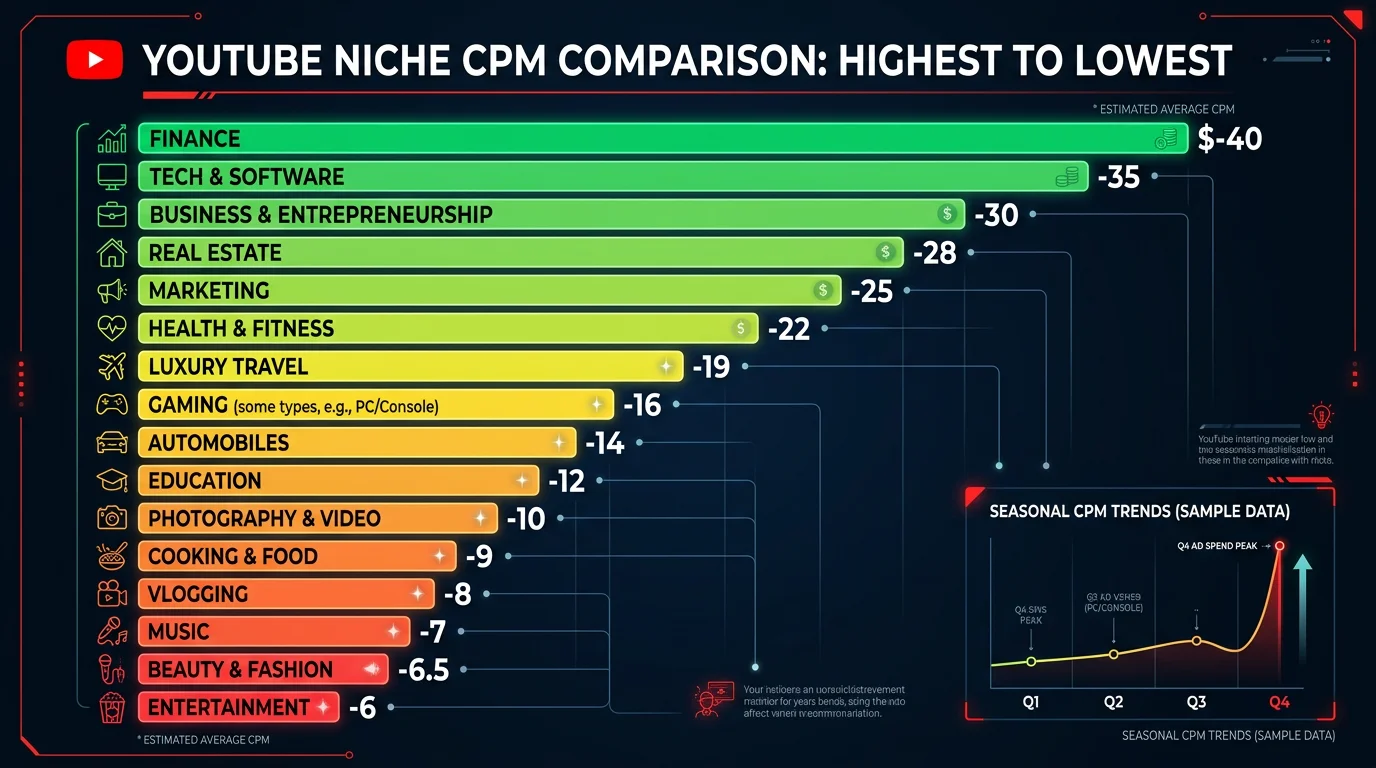
  • Targeted Niches: You can set the AI to focus on a high-value niche, like finance or tech. This ensures your content attracts an audience that advertisers are willing to pay more to reach.

This strategy effectively turns your channel into a source of passive income. Instead of being stuck on the production treadmill, you're free to focus on high-level strategy, like engaging with your audience or building out other revenue streams.

By 2026, the revenue-sharing model has made Shorts a genuine competitor to long-form video, often matching or even beating earnings per watch-hour. This is a huge opportunity for solo creators. In fact, data from Our Own Brand shows U.S. Shorts are already generating more ad revenue per watch hour than traditional videos, with 160–175 million regular U.S. viewers actively watching.

To earn a meaningful income, you might need somewhere around 3.3 million views monthly. That number sounds intimidating, but it becomes far more achievable when you have an automated content system pushing out videos every day.

Ultimately, learning how to monetize YouTube Shorts is as much about working smart as it is about creating great content. Automation gives you the consistency needed not just to get into the YPP, but to actually succeed once you're there. To see how this can fast-track your own channel, take a look at our guide on how to grow a YouTube channel fast.

Burning Questions About Monetizing Shorts

When you start digging into how YouTube Shorts monetization really works, a few key questions always pop up. Let's tackle the most common ones so you can move forward with confidence.

Do I Really Need to Be in the YPP to Earn from Shorts?

Yes, you absolutely do. The old YouTube Shorts Fund is a thing of the past. The only way to earn money from ads that play between Shorts in the feed is by being an active member of the YouTube Partner Program (YPP).

To get in, you have to hit one of two major milestones:

  • Gain 1,000 subscribers AND accumulate 10 million valid public Shorts views within the last 90 days.
  • Or, get 1,000 subscribers AND rack up 4,000 public watch hours on your long-form videos over the past 12 months.

There are no shortcuts here. Getting into the YPP is the official gateway to earning ad revenue from your Shorts.

What Happens if I Use Copyrighted Music? Can I Still Get Paid?

You can, and this is a massive plus of the current system. When you grab a track from YouTube’s official audio library for your Short, the platform handles the complicated stuff for you.

A portion of the revenue your Short generates automatically goes toward covering the music licensing costs. The rest is pooled, and you receive your 45% share from that. So, using a trending song won't disqualify your video from earning money, though it might slightly reduce your final cut for that specific Short.

This is a fantastic setup that lets you jump on audio trends without worrying about copyright claims wiping out your earnings.

How Can I Actually Make More Money from My Shorts?

While Shorts RPMs (revenue per mille) are generally lower than what you see on long-form videos, you're not powerless. You can definitely take steps to increase what you earn.

Focus on creating content that resonates with audiences in top-tier advertising countries—think the United States, United Kingdom, and Canada. Advertisers pay a premium to reach viewers in these regions.

Beyond geography, your niche matters. A channel focused on finance, technology, or business will naturally attract higher-paying ads than a general entertainment channel. But above all, the secret is high retention. Shorts that people watch over and over or all the way to the end signal immense value to the algorithm, which directly translates to better performance and, ultimately, more income.


Ready to put your channel's growth on autopilot? FlowShorts can create and post high-quality, monetizable videos for you every single day. Stop grinding and start growing at https://flowshorts.app.

Tags

#how to monetize youtube shorts#youtube shorts monetization#shorts revenue#youtube partner program#youtube monetization

Share this article

Ready to Create Your Own Viral Videos?

Start creating AI-powered short videos today with FlowShorts.

Get Started Free