Ai video generator for youtube shorts: Grow Your Channel Quickly
ai video generator for youtube shorts helps you automate faceless videos and grow your channel with practical, step-by-step tips.
FlowShorts Team

Think of an AI video generator for YouTube Shorts as your own personal production team, working 24/7. It’s a tool that automates the entire video creation process for you—from coming up with ideas and writing scripts to generating voiceovers, finding visuals, and even posting the final video to your channel.
For anyone trying to build a faceless channel, this isn’t just a nice-to-have. It’s how you keep up and get ahead.
Why AI Video Generators Are Essential for YouTube Shorts in 2026

That picture really sums it up: an "AI Content Engine" turning your ideas into a steady stream of videos. This hands-off system is quickly becoming the only practical way to grow a faceless YouTube channel in such a crowded space.
YouTube Shorts has become a battlefield where consistency is your greatest weapon. The algorithm rewards channels that publish fresh content all the time, but trying to produce a new video every single day by yourself is a surefire recipe for burnout.
This is where an AI video generator completely changes the equation. It gets rid of the biggest roadblock—the long, tedious hours of manual production—and lets you scale your content output without breaking a sweat.
The Massive Opportunity on YouTube Shorts
The numbers behind YouTube Shorts speak for themselves and paint a clear picture of the opportunity waiting for creators.
Here’s a quick look at the key statistics that highlight the immense opportunity on YouTube Shorts for creators.
YouTube Shorts by the Numbers (2026)
| Metric | Statistic |
|---|---|
| Global Daily Views | 70+ Billion |
| Monetized Channels | Growing Rapidly |
| Audience Engagement | High (Short-Form Format) |
| Creator Saturation | Competitive but High Demand |
These figures aren't just abstract data points; they represent a massive, hungry audience looking for quick and engaging videos.
This constant demand for new content is exactly what makes automation so powerful. An AI tool like FlowShorts can take a simple idea for a niche—like "surprising history facts" or "daily finance tips"—and spin it into a professionally polished Short that's ready to go live in minutes.
The real challenge on YouTube today isn't just figuring out what to create. It's figuring out how to create enough quality content to stay on the algorithm's good side. AI automation is the answer, giving you a hands-free content engine for your channel.
This guide is designed to show you exactly how to build that engine. We’re not here to talk theory; we're giving you a practical, step-by-step walkthrough for using these tools effectively. For a wider look at the available tech, our breakdown of the 12 best AI video generators is a great place to start: https://www.flowshorts.app/blog/the-12-best-ai-video-generators
To really get an edge, it also helps to know about the best AI tools for content creators that can complement your video strategy. In the end, this is all about using smart automation to bring your creative ideas to life and build a foundation for long-term channel growth.
Alright, let's get into the nuts and bolts of building your automated content machine. This is where the magic really starts to happen, turning your idea into a hands-free YouTube channel. We'll use a platform like FlowShorts as our example to walk through the initial setup.
First things first, you need to connect your YouTube account. Any reputable platform will use OAuth for this, which is a secure way to grant access without ever giving away your password.
Think of it like handing a valet a special key that only starts the car—it doesn’t open the trunk or glove compartment. It's the industry standard and keeps your account totally secure.
Once you’re connected, you'll land on your main dashboard. This is your command center, but don't let it intimidate you. For now, you just need to make a couple of key decisions to get your content engine running.
Defining Your Core Content Strategy
Your first task is to set the two main guardrails that will guide the AI. Getting these right is the foundation for your entire automated operation.
Niche Selection: This is easily the most important choice you'll make. You need to pick a topic with a hungry, built-in audience. Popular niches that work well for this format include history, finance, psychology facts, and luxury lifestyle.
Posting Schedule: Consistency is king on YouTube. The algorithm loves a predictable schedule. Just decide how often you want to post—once a day, three times a week, whatever you choose—and the system takes it from there.
With those two things decided, the AI has all the direction it needs to start creating. It's a small bit of upfront work that pays off massively down the road.
Setting up your automation isn't about being a tech wizard. It’s about being a strategist. A good niche and a consistent schedule give the AI a clear roadmap to create content that actually works.
Tools like a powerful AI Post Generator for YouTube are becoming essential for creators, and they perfectly complement your video strategy by handling the entire content workflow. If you want a more granular breakdown of connecting your channel and nailing the schedule, our guide on how to automate a YouTube channel dives even deeper into the process.
With your channel linked and your core strategy locked in, your automated content machine is officially ready to roll. The AI now has its instructions and can begin crafting and posting videos for your channel, all without you having to touch the day-to-day creation process.
Alright, with your channel hooked up and your niche locked in, this is where the magic really happens. You’ve done the setup, and now the AI video generator takes over, becoming your personal, round-the-clock content production team.
So, what’s going on behind the curtain? Let's walk through how a single idea gets turned into a finished YouTube Short, using a real-world example. Imagine you picked "surprising historical facts" as your niche. The moment you hit 'confirm,' the system gets to work.
Create Faceless Videos on Autopilot
FlowShorts generates and posts AI videos to YouTube, TikTok & Instagram while you sleep.
Try FlowShorts Free →From Prompt to Polished Script
Everything begins with the script. And I don't mean just a random collection of facts. The AI is built to think like a short-form video creator. Its goal is to write a story with a powerful hook in the first 3 seconds, build tension, and then deliver a satisfying twist or reveal, all in under 60 seconds.
For our history channel, it might spit out a script that feels something like this:
Did you know the Vikings were the first Europeans in North America, not Columbus? They landed in Canada around 1000 AD, nearly 500 years before Columbus set sail. But their settlement didn't last, and the story was forgotten for centuries.
See how that works? It's short, challenges a common belief, and gives the viewer a "huh, I didn't know that" moment. This script is the foundation for everything else.
Sourcing and Editing Visuals
A script is just text until you add visuals. The AI now breaks down the script's core concepts: "Vikings," "ships," "North America," and "maps." It then dives into huge libraries of licensed stock footage to find clips that bring those words to life.
This isn't a simple keyword match. The system is smart enough to find visuals that fit the tone and pacing of the script. For the line about Vikings landing, you might get a dramatic shot of a longship hitting a misty shore. When Columbus is mentioned, it might pull up an animated old-world map. The AI then automatically cuts these clips together, creating a smooth visual narrative that perfectly complements the script.
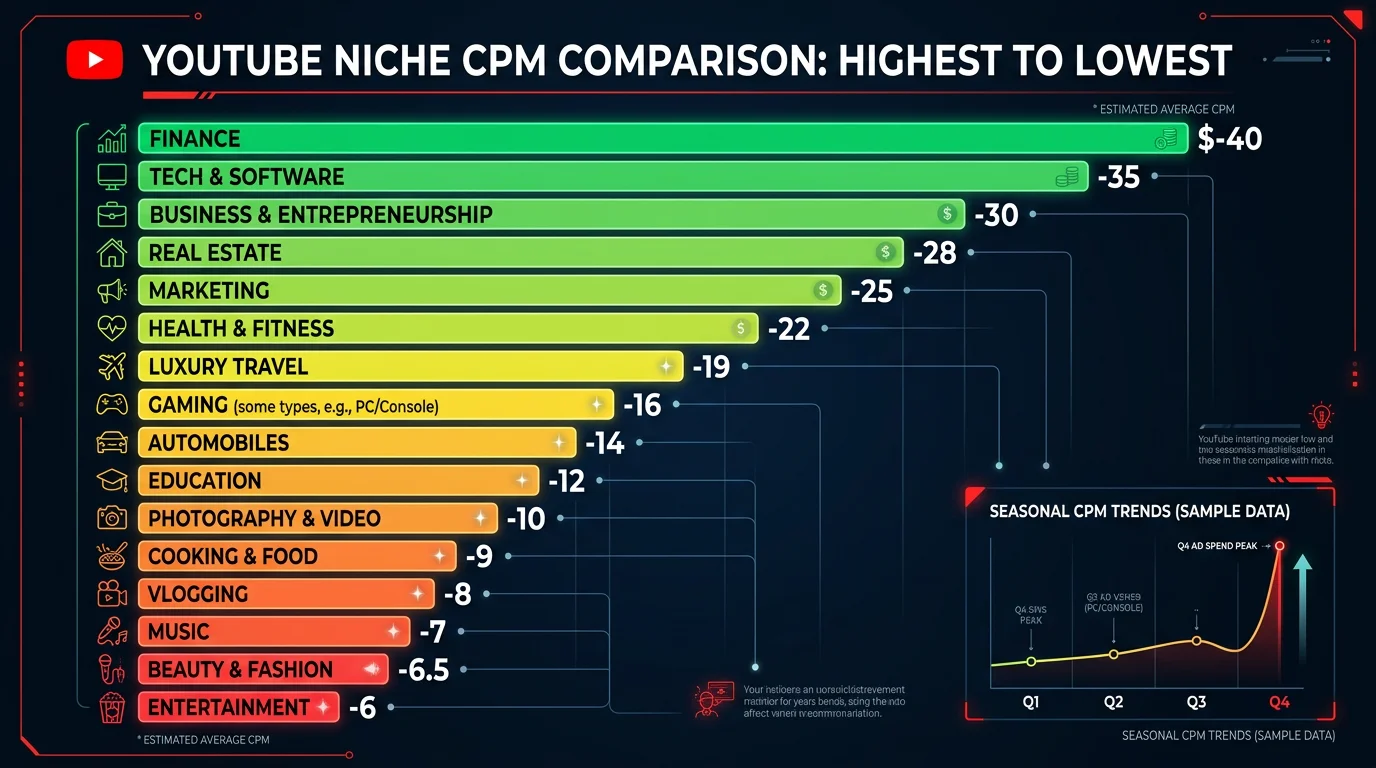
This whole automated workflow kicks off from a simple, one-time setup on your end, as this chart shows.

It’s a great illustration of how your few initial decisions fuel a much more complex creation process.
Layering Audio and Captions
Next up: audio. A surprisingly natural-sounding AI voice performs the script, complete with the kinds of pauses and inflections a real person would use. At the same time, the system finds and layers in some royalty-free background music—something that fits the "historical mystery" vibe without drowning out the narration.
Finally, and this is crucial, the AI transcribes the voiceover to generate perfectly synchronized captions. Since over 85% of social media videos are watched on mute, captions aren't optional. They're essential. The AI times them to pop up exactly as the words are spoken, making the video accessible and keeping viewers engaged, sound on or off.
If you want to dive deeper into how this works for completely hands-free channels, we cover it in our guide to the AI faceless video generator.
The final product? A complete, polished YouTube Short, created from scratch in just a few minutes. All without you ever opening an editing app.
Automating Posts and Optimizing for Growth

Getting a batch of high-quality Shorts ready is a fantastic first step, but the real work begins now. If no one sees your content, it doesn’t matter how good it is. This is where you shift from just making videos to strategically growing your channel, and luckily, the AI has you covered.
One of the biggest game-changers in an ai video generator for youtube shorts like FlowShorts is the built-in scheduler. You can literally tell it to post one video every day at 5 PM EST, and it will handle everything from there. This kind of consistency is pure gold for the YouTube algorithm; it signals that your channel is active and reliable, which often leads to a nice boost in visibility.
You're not just throwing videos out into the void. You're building a dependable rhythm that teaches your audience when to expect new content and shows the algorithm you're a serious creator.
AI-Powered SEO and Discoverability
Beyond just hitting "publish" on a schedule, the AI also puts on its SEO hat. For every single Short it generates, it writes a compelling title, a detailed description, and a list of relevant hashtags. This isn't random—it's all designed to help your video get found through search and recommended in viewers' feeds.
For instance, a video about "ancient Roman engineering" won't get a boring, academic title. The AI might spin it into something hooky like, "This Roman Invention Is Still Used Today," and pair it with hashtags like #historyfacts, #ancientrome, and #engineeringmarvels. That's the metadata that tells YouTube exactly what your video is about and who the perfect audience is.
The difference between a video that gets 100 views and one that gets 100,000 often comes down to optimization. The AI handles the technical SEO details, freeing you up to focus on the bigger picture of your channel's direction.
Honestly, this automated SEO is a lifesaver. Manually researching and writing all of that for every single video is a grind that can quickly lead to burnout.
Manual vs. AI-Powered YouTube Shorts Workflow
To really appreciate the efficiency gain, let's look at what the AI automates. Think about all the little tasks that add up when you're doing everything yourself.
| Task | Manual Workflow (Per Video) | AI Generator (FlowShorts) |
|---|---|---|
| Title Generation | 10-15 minutes of keyword research | Instant |
| Description Writing | 10-20 minutes to write and optimize | Instant |
| Hashtag Research | 15-20 minutes of trend analysis | Instant |
| Scheduling Post | 5 minutes of manual upload and setup | Fully Automated |
When you see it broken down like this, it's clear how much time you get back. That’s time you can pour back into strategy or, you know, just live your life instead of being glued to YouTube Studio.
Analyzing Performance and Refining Your Strategy
Create Faceless Videos on Autopilot
FlowShorts generates and posts AI videos to YouTube, TikTok & Instagram while you sleep.
Try FlowShorts Free →While the idea of "set it and forget it" sounds amazing, the smartest creators follow a "set it and verify" philosophy. Your work isn't quite done once the schedule is live. Most platforms, including FlowShorts, give you a dashboard to track how your videos are doing.
Make it a habit to check your analytics once a week. You might notice a pattern.
- Are your "psychology facts" videos consistently outperforming your "finance tips"?
- Did a certain video format or hook get way more shares than others?
That’s invaluable feedback. You can use those insights to gently tweak your content plan, telling the AI to generate more of what's already resonating with your audience.
This is the feedback loop that transforms your channel from a simple content machine into a real growth engine. By making small, data-backed adjustments, you keep your strategy sharp and ensure your automated channel is always running at its best.
Common Pitfalls to Avoid With AI Automation
It's easy to get excited about automation and think you've found a magic button for YouTube fame. But treating an ai video generator for youtube shorts like a ticket to instant virality is the fastest way to get discouraged. These are tools, and like any tool, success comes from knowing how to use them and what mistakes to avoid.
One of the biggest mistakes I see people make is jumping into a niche that's already bursting at the seams. If you're planning to pump out "motivational quotes" or "luxury lifestyle" Shorts, you're entering a very crowded room. It's incredibly difficult for automated content, no matter how good, to get noticed there.
Instead of competing with thousands, find an audience that's being ignored. Do your homework and dig for sub-niches. Don't just make "history" videos; get specific. Try something like "forgotten inventions from the Victorian era" or "bizarre medical practices of the Middle Ages." That kind of focus is what helps you build a loyal following from day one.
The Dangers of the Set-It-and-Forget-It Mindset
The appeal of a completely hands-off system is powerful, but thinking you can just "set it and forget it" is a massive trap. An AI only knows what you tell it. If your instructions are leading to videos that flop, it will just keep making more videos that flop.
This is where you have to step in. Make it a weekly habit to dive into your channel's analytics.
- Which specific videos are getting views and engagement?
- Are certain topics or video formats clearly outperforming others?
- What are people actually saying in the comments?
This data isn't just numbers; it's your roadmap to growth. If you see a video about a particular historical figure suddenly take off, that's a signal. Lean into it. Adjust your content plan to explore more stories like that one. These small, data-backed adjustments are what separate the channels that thrive from those that just fade away.
An automated channel isn't a self-piloting jet. Think of it more like a high-tech cruise ship. It does the heavy lifting, but it still needs a captain to check the map and steer it in the right direction.
Maintaining Quality and Realistic Expectations
Even the smartest AI can have an off day. You can't just assume every video it creates is perfect. Every so often, you have to do a quick quality check. Just sit back and watch a few of the videos your system produced. Does the voiceover sound right? Are the visuals genuinely a good match for the script?
This simple habit ensures your content quality stays high and that your channel is actually providing the value you intended. It’s also the best way to catch recurring problems with the AI's output before they hurt your channel's reputation.
Finally, you have to be realistic. Building a real audience on YouTube is a marathon, not a sprint—even when you have a machine doing most of the work. Tools like FlowShorts give you an incredible speed advantage, but growth still requires patience.
Think of it like planting a forest. Your AI is planting the seeds for you every single day, but it still takes time for them to grow into trees. Stay consistent, keep an eye on your performance, and let the process work. Over time, your automated content engine will compound its efforts, building you a valuable channel asset while you focus on the bigger picture.
Got Questions About AI Video Generators? Let's Clear Things Up
Jumping into AI video generation for YouTube Shorts can feel like a leap of faith. You've probably got some big questions floating around, and that's smart. It's a powerful way to build a channel, but you need to know what you're getting into.
Let's tackle some of the most common concerns I hear from creators.
Can I Actually Monetize a Faceless Channel Made With AI?
This is the big one, right? And the answer is a resounding yes. YouTube has no problem with monetizing AI-generated or faceless channels. What they do care about is whether you're adding real value and creating something new.
They're looking for content that mixes different elements—like a script, a voiceover, and visuals—to produce a unique final product. A good AI video generator for YouTube Shorts does this automatically by creating a fresh compilation for every single video, which is exactly what YouTube wants to see. Your job is still to hit those magic numbers for monetization (1,000 subscribers and 10 million Shorts views), but using AI for consistent output can seriously speed up that process.
How Does the AI Know Which Visuals to Pick?
This isn't just a random video shuffler. The smart AI tools start by actually reading and understanding your script. It identifies the core ideas, keywords, and mood—whether that's "ancient Rome," a "rocket launch," or a "stock market chart."
From there, it dives into massive licensed libraries filled with high-quality stock footage. But here's where the real intelligence comes in. The algorithm doesn't just match words; it selects clips that fit the pacing and emotional tone of the script. This is what makes the final video feel like a cohesive, well-edited story instead of a messy slideshow.
The AI's real job is to become a visual storyteller. It's not just finding clips that match keywords; it's weaving them together to support the narrative you're telling.
This sophisticated process is what truly separates a high-end tool from a basic video maker.
Is YouTube Going to Ban My Channel for Using AI?
Short answer: no. YouTube doesn't ban channels just because they use AI. What YouTube does crack down on is low-effort, spammy, or repetitive content—and it doesn't matter if a human or an AI made it.
The danger lies in using cheap, low-quality tools that might spit out duplicate videos or content that feels automated and nonsensical. As long as you use a reputable platform that generates a genuinely unique video every time by combining new assets (script, voice, and visuals), you're in the clear. YouTube sees each of those outputs as original. If your channel provides real value, it's perfectly safe.
How Much Creative Control Do I Really Have?
The amount of control you get really depends on the tool you choose. Some platforms are designed for deep, manual editing, while others, like FlowShorts, are built for maximum automation and efficiency. The entire point of a system like this is to generate complete, publish-ready videos without you having to touch a thing.
Your creative input is front-loaded. You make the strategic decisions at the start:
- You pick the niche: This sets the entire direction for your channel's content.
- You define the tone: You decide if the scripts and voiceovers should be serious, funny, or inspirational.
- You set the schedule: You determine the posting frequency that will build your audience.
This approach is all about scaling your content production. It's the perfect fit if your goal is to build a powerful, consistent presence without getting bogged down in the time-consuming work of editing every single Short yourself.
Ready to build your own automated content engine? With FlowShorts, you can launch a hands-free YouTube channel in minutes. Start creating consistent, high-quality Shorts today and watch your audience grow. Get started with FlowShorts!