Faceless YouTube Channels: The Complete Guide for 2026
What is a faceless YouTube channel, how does it make money, and is it worth starting one in 2026? Revenue data, niche rankings, production economics, and a step-by-step framework.

FlowShorts Team
A faceless YouTube channel produces content without the creator ever appearing on camera. Not sure which niche to pick? Explore 28 faceless YouTube channel ideas with CPM data. Instead of a talking head, these channels use AI voiceovers, stock footage, screen recordings, animations, or text overlays to deliver value. Channels like BRIGHT SIDE (44.7M subscribers), Lofi Girl (15.3M), and Daily Dose of Internet (20M) have proven the model works at massive scale.
This guide covers what a faceless YouTube channel actually is, why the format is growing, what the revenue looks like, which niches perform best, and how to start one from scratch in 2026.
What Is a Faceless YouTube Channel?
A faceless YouTube channel is any channel where the creator does not appear on screen. The content relies on other visual formats to hold attention:
- Voiceover + visuals: A narrator speaks over stock footage, AI-generated images, or screen recordings. Examples: The Infographics Show, Kurzgesagt.
- Text-on-screen: Text overlays tell the story with background music. Common in motivation, horror stories, and quote channels.
- Compilation/curation: Clips, images, or data presented in a structured format. Examples: Daily Dose of Internet, Fact Verse.
- Ambient/loop content: Background music, rain sounds, fireplace videos. Examples: Lofi Girl, Relaxing White Noise.
- Tutorial/screencast: Software walkthroughs, coding tutorials, design process videos. The creator's screen is the content.
The defining characteristic is not the absence of personality. Faceless channels still have a voice, tone, and editorial perspective. The difference is that the creator's face is never the draw. This means any creator can start, scale, or sell the channel without being personally tied to it.
Why Creators Are Going Faceless in 2026
Faceless channels are not a workaround for camera-shy creators. They are a deliberate production model with structural advantages:
Lower production costs. No studio, lighting, or wardrobe budget. A faceless channel can launch with a computer, a microphone (or AI voice), and editing software. Production costs run 50-60% lower than on-camera channels producing similar content quality.
Faster production speed. Scripting and editing without coordinating filming sessions means faster turnaround. Many faceless creators produce 5-10 videos per week, compared to 1-2 for on-camera creators.
Scalable and sellable. Because the channel is not tied to a specific person's face, it can be operated by a team, outsourced, or sold outright. Faceless channels on marketplace platforms regularly sell for 24-36x monthly revenue.
AI automation compatibility. Modern AI tools can generate scripts, voiceovers, images, and even video editing. Faceless channels benefit more from AI automation than on-camera formats because every production step can be automated. Tools like FlowShorts generate complete faceless videos, from script to final render, automatically.
Privacy preserved. No public persona means no parasocial pressure, no harassment tied to appearance, and easier separation between work and personal life. This appeals to creators who want income without internet fame.
Faceless YouTube Channel Revenue: What the Data Shows

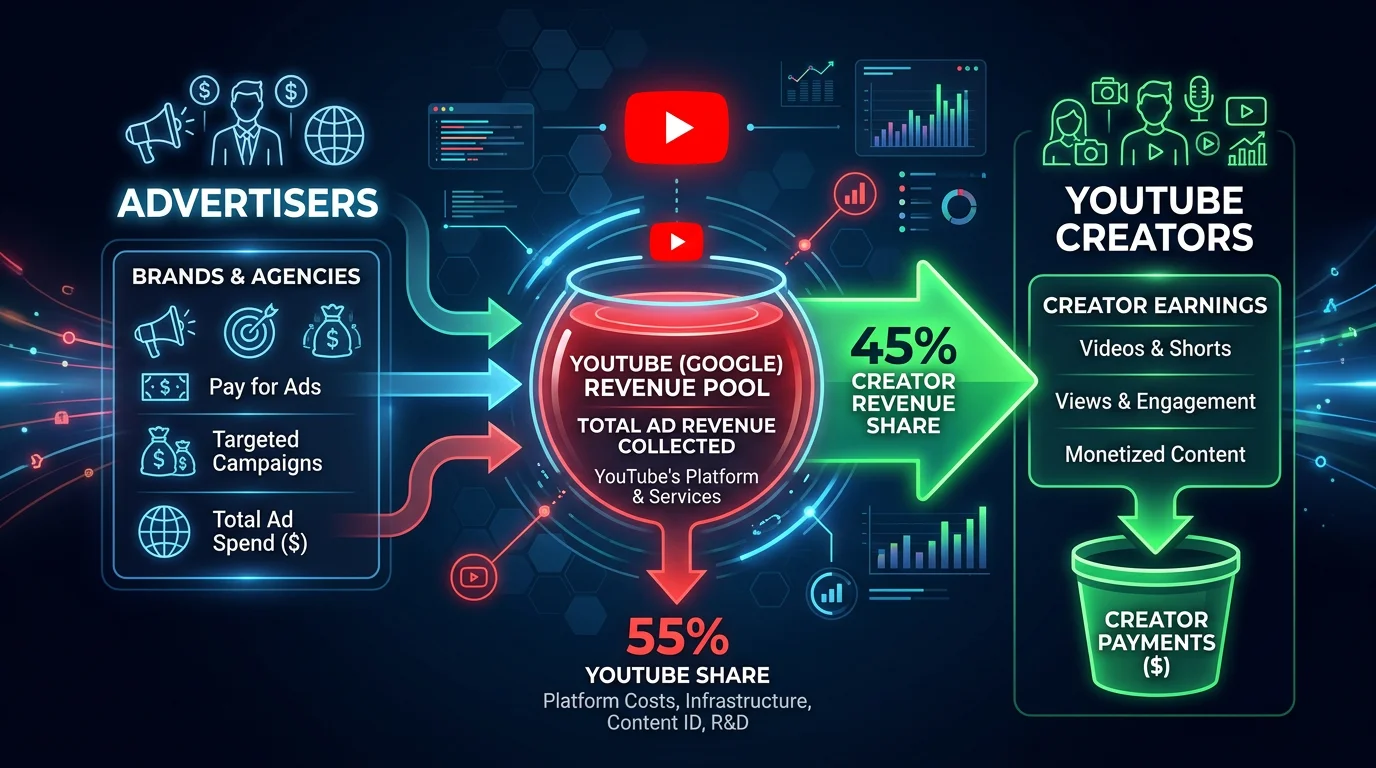
YouTube pays creators through the YouTube Partner Program (YPP) based on ad impressions. The metric that matters is RPM (Revenue Per Mille): how much you earn per 1,000 views after YouTube's 45% cut.
Faceless channels earn the same RPM as on-camera channels in the same niche. The format does not affect ad rates. What matters is the niche, audience geography, and content length.
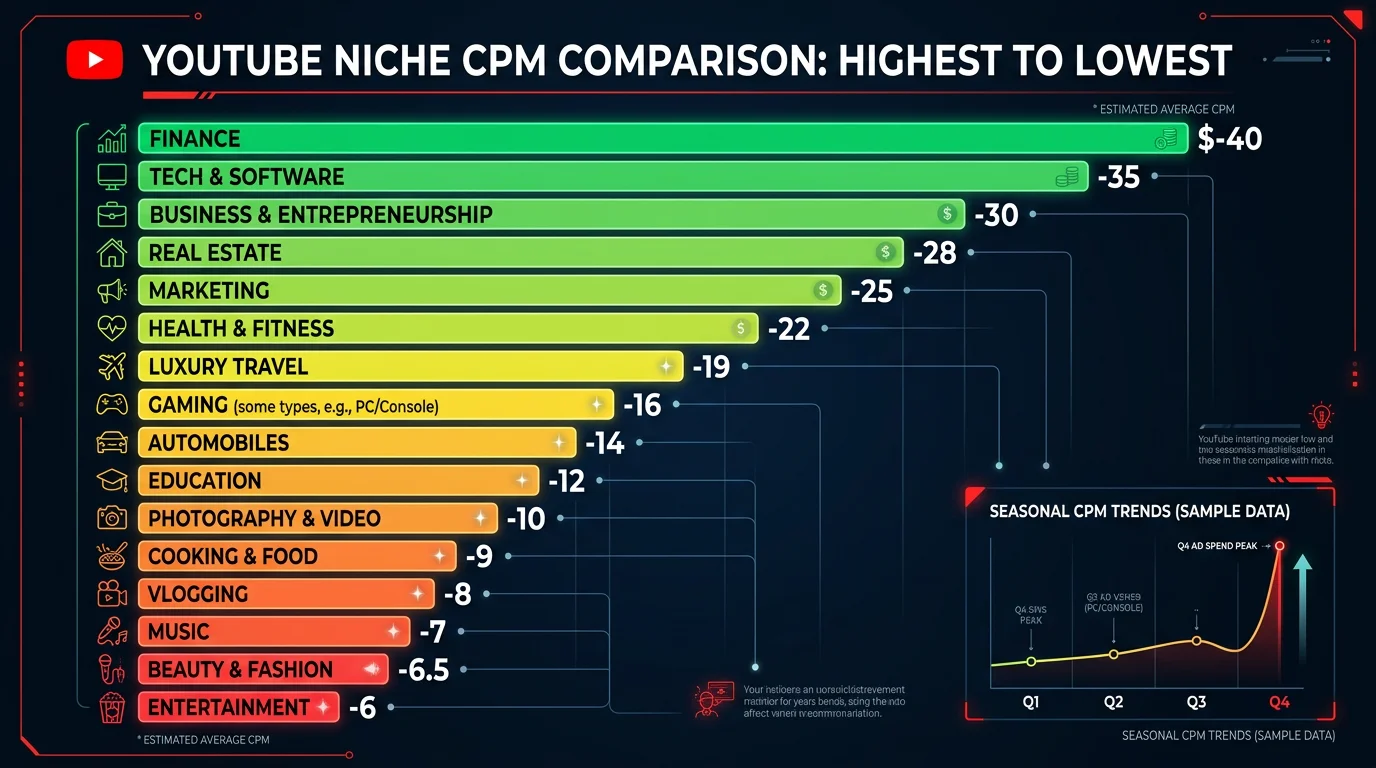
| Niche | Avg CPM | Estimated RPM | Revenue per 100K Views |
|---|---|---|---|
| Personal Finance | $18-30 | $12-18 | $1,200-1,800 |
| Business/Entrepreneurship | $14-22 | $9-14 | $900-1,400 |
| Technology | $10-18 | $6-11 | $600-1,100 |
| Education/Explainers | $8-15 | $5-10 | $500-1,000 |
| Health/Wellness | $6-12 | $4-8 | $400-800 |
| Gaming Compilations | $3-8 | $2-5 | $200-500 |
| Motivation/Quotes | $2-6 | $1-4 | $100-400 |
Sources: TubeBuddy RPM data (2025), Social Blade channel analytics, YouTube creator transparency reports.
Faceless vs. On-Camera: Economics Compared
The advantage of faceless channels is not higher RPM. It is lower cost-per-video and higher output volume.
| Factor | On-Camera Channel | Faceless Channel |
|---|---|---|
| Setup cost | $500-2,000 (camera, lights, mic) | $0-100 (mic optional with AI voice) |
| Cost per video | $50-200 (time + production) | $5-30 (stock footage + AI tools) |
| Videos per week | 1-2 | 5-10+ |
| Time to 1,000 subscribers | 3-6 months | 2-4 months (higher volume) |
| Channel sellable? | Difficult (tied to person) | Yes (24-36x monthly revenue) |
| AI automation potential | Partial (editing, thumbnails) | Full (script to publish) |
Create Faceless Videos on Autopilot
FlowShorts generates and posts AI videos to YouTube, TikTok & Instagram while you sleep.
Try FlowShorts Free →A faceless channel producing 7 videos per week in a $10 CPM niche needs roughly 500K monthly views to earn $2,500-3,000/month. With AI automation reducing per-video production time to under 10 minutes, this is achievable as a side project.
Best Niches for a Faceless YouTube Channel

Niche selection determines both your CPM and your competition level. The best faceless niches combine high advertiser demand with formats that work without a face.
For a detailed breakdown with 50 specific channel ideas, see our faceless YouTube channel ideas guide. For CPM rankings and profitability analysis, see our top faceless YouTube niches post.
Here are the top-performing categories for 2026:
- Personal Finance: Highest CPMs ($18-30). Topics like investing, budgeting, and credit scores attract premium advertisers. Format: voiceover + charts/graphics.
- Business and Entrepreneurship: Strong CPMs ($14-22). Case studies, startup analysis, and side hustle guides. Advertisers in SaaS, fintech, and education bid aggressively.
- Technology Explainers: Solid CPMs ($10-18). AI news, product comparisons, and tech tutorials. High search volume and evergreen content potential.
- Educational/Science: Reliable CPMs ($8-15). Channels like Kurzgesagt prove that explainer content earns consistent views over years. Strong for building a library of evergreen videos.
- Health and Wellness: Moderate CPMs ($6-12). Supplements, fitness routines, and mental health topics. Restriction-heavy (YouTube's YMYL policies apply), but profitable when done correctly.
Avoid niches with low CPMs and high saturation: generic motivation/quotes, meme compilations, and unstructured "top 10" lists without a clear angle. These attract views but generate minimal revenue.
How to Start a Faceless YouTube Channel (Step by Step)
For the complete walkthrough with screenshots and tool recommendations, see our how to start a faceless YouTube channel guide. Below is the condensed framework.
Step 1: Pick a Niche and Validate It
Choose a niche based on three criteria: CPM potential, your ability to produce content consistently, and competition level. Use YouTube search to check how many channels already dominate the topic. Look for niches where the top channels have under 500K subscribers, as that signals room for new entrants.
Step 2: Set Up the Channel
Create a YouTube channel with a clear, niche-relevant name. Design a simple logo and banner (Canva works fine). Write a channel description that includes your target keyword and tells viewers what to expect. Set your upload defaults for tags, description templates, and end screens.
Step 3: Script Your First 10 Videos
Batch-script your first 10 videos before recording anything. Each script needs a strong hook in the first 3 seconds, a clear structure, and a call to action. Focus on topics with proven search demand by checking YouTube autocomplete and Google Trends.
Step 4: Produce and Edit
Record voiceover (or use AI voice tools like ElevenLabs), source visuals (stock footage, AI-generated images, or screen recordings), and edit with subtitles and pacing that holds attention. Keep videos between 8-15 minutes for long-form or under 60 seconds for Shorts.
Step 5: Publish and Optimize
Upload with keyword-optimized titles, descriptions, and tags. Create custom thumbnails (even faceless channels need strong thumbnails). Publish on a consistent schedule, at minimum 3 videos per week.
Step 6: Automate with AI
Create Faceless Videos on Autopilot
FlowShorts generates and posts AI videos to YouTube, TikTok & Instagram while you sleep.
Try FlowShorts Free →Once you validate your niche and format, automate production. FlowShorts generates complete faceless videos from a topic, including script, AI voiceover, visuals, subtitles, and direct posting to YouTube, TikTok, and Instagram. This lets you scale from 3 videos per week to daily publishing without additional time investment.
The Faceless Shorts Strategy: YouTube, TikTok, and Instagram
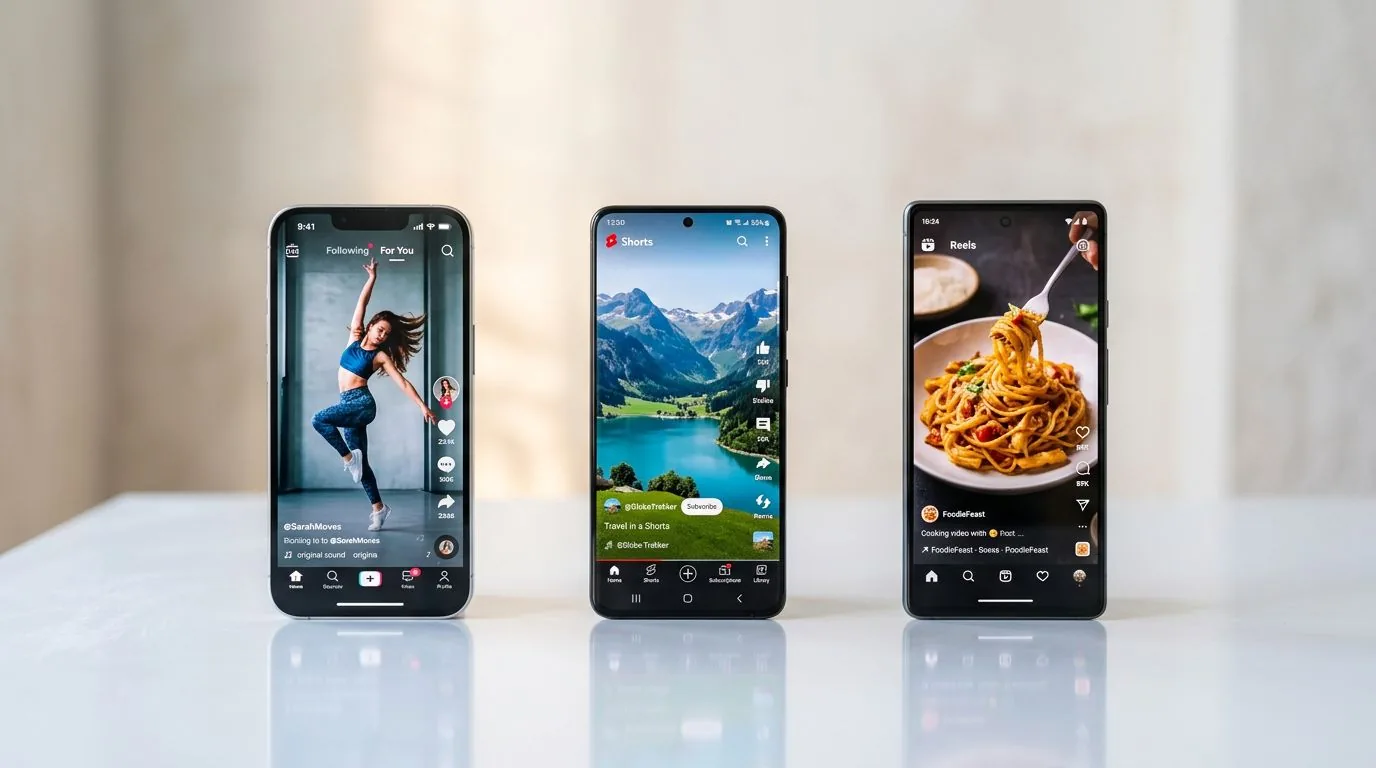
Short-form video (under 60 seconds) is the fastest path to monetization for faceless creators. YouTube Shorts, TikTok, and Instagram Reels all reward consistent posting with algorithmic distribution, and faceless formats perform well across all three platforms.
The strategy: produce one short-form video and distribute it to all three platforms simultaneously. This triples your reach without tripling your production workload.
Why Shorts Accelerate Faceless Channel Growth
- Lower barrier to YPP: YouTube's Shorts-based YPP path requires 1,000 subscribers + 10M Shorts views (90 days), compared to the traditional 4,000 watch hours requirement. Shorts views accumulate faster than long-form watch hours for new channels.
- Cross-platform compounding: A TikTok video that gains traction drives viewers to your YouTube channel. Instagram Reels build brand recognition. All three platforms feed each other.
- Faster iteration: Short-form videos take less time to produce, so you can test hooks, topics, and formats more quickly. Data from 50 Shorts teaches you more than data from 10 long-form videos.
For Shorts monetization specifics, see our guide on how to make money on YouTube Shorts. To automate multi-platform posting, see our YouTube automation guide.
FlowShorts' faceless video generator creates Shorts-format content and auto-posts to YouTube, TikTok, and Instagram on your schedule. No filming, no editing, no manual uploads.
Common Mistakes That Kill Faceless YouTube Channels
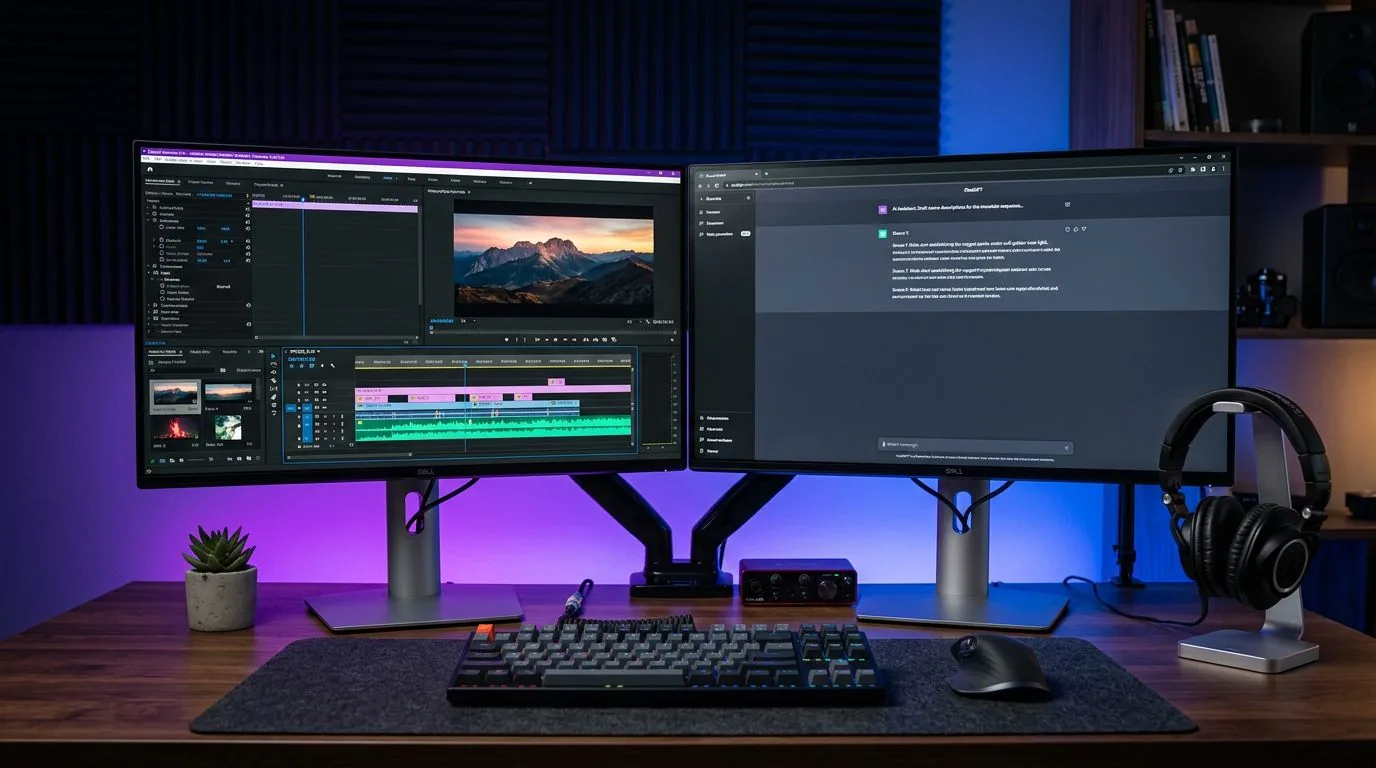
Most faceless channels that fail share the same set of mistakes. Avoiding these increases your odds significantly:
1. No niche focus. Channels that upload random topics never build a subscriber base. The algorithm cannot categorize your channel, so it cannot recommend your videos to the right audience. Pick one niche and stay in it for at least 50 videos.
2. Weak hooks. Faceless videos do not have a familiar face to stop the scroll. The first 3 seconds must deliver a hook that creates curiosity or promises specific value. Generic intros like "In this video, we'll explore..." lose viewers immediately.
3. Robotic AI voices without editing. AI voiceover tools are powerful, but unedited AI narration sounds flat. Adjust pacing, add pauses, vary tone. The voiceover should sound like a narrator, not a text-to-speech demo.
4. Ignoring thumbnails. "Faceless" does not mean "no visual branding." Strong thumbnails with bold text, contrasting colors, and a clear visual subject drive click-through rates. A/B test thumbnails using YouTube's built-in tool.
5. Publishing inconsistently. The algorithm rewards channels that publish on a predictable schedule. Posting 10 videos in week one, then nothing for two weeks, signals to YouTube that your channel is unreliable. Set a sustainable schedule and stick to it.
6. Copying without adding value. Repackaging other creators' content with a different AI voice adds nothing. Your scripts need a unique angle, original research, or a distinctive editorial voice. YouTube's helpful content system increasingly penalizes low-effort rehashed content.
Faceless YouTube Channel FAQ
Can faceless YouTube channels make money?
Yes. Faceless channels earn the same ad rates as on-camera channels in the same niche. CPMs are determined by topic and audience demographics, not whether a face appears on screen. Channels like BRIGHT SIDE (44.7M subscribers) and Lofi Girl (15.3M) generate estimated annual revenues in the millions.
Does YouTube penalize faceless channels?
No. YouTube does not penalize channels for not showing a face. The algorithm evaluates content based on viewer retention, click-through rate, and engagement. Faceless channels that produce high-retention content rank and get recommended identically to on-camera channels. YouTube's policies penalize low-quality or misleading content, regardless of format.
Is it too late to start a faceless YouTube channel?
No. The number of new YouTube channels reaching 1,000 subscribers grew 15% year-over-year in 2025. Short-form content (Shorts) has expanded the surface area for new creators to gain traction. AI tools have lowered production costs and increased output speed. The competition is higher than 2020, but so is the total addressable audience. Channels that pick focused niches and publish consistently still grow.
A faceless YouTube channel is a business model, not a shortcut. The channels that succeed treat it accordingly: they pick a profitable niche, publish consistently, optimize based on data, and use automation to scale production. Whether you start with long-form content or the Shorts-first strategy, the fundamentals are the same.
Ready to launch your faceless channel? FlowShorts automates every step of faceless video production, from script and voiceover to editing and publishing across YouTube, TikTok, and Instagram. See pricing and start creating today.